
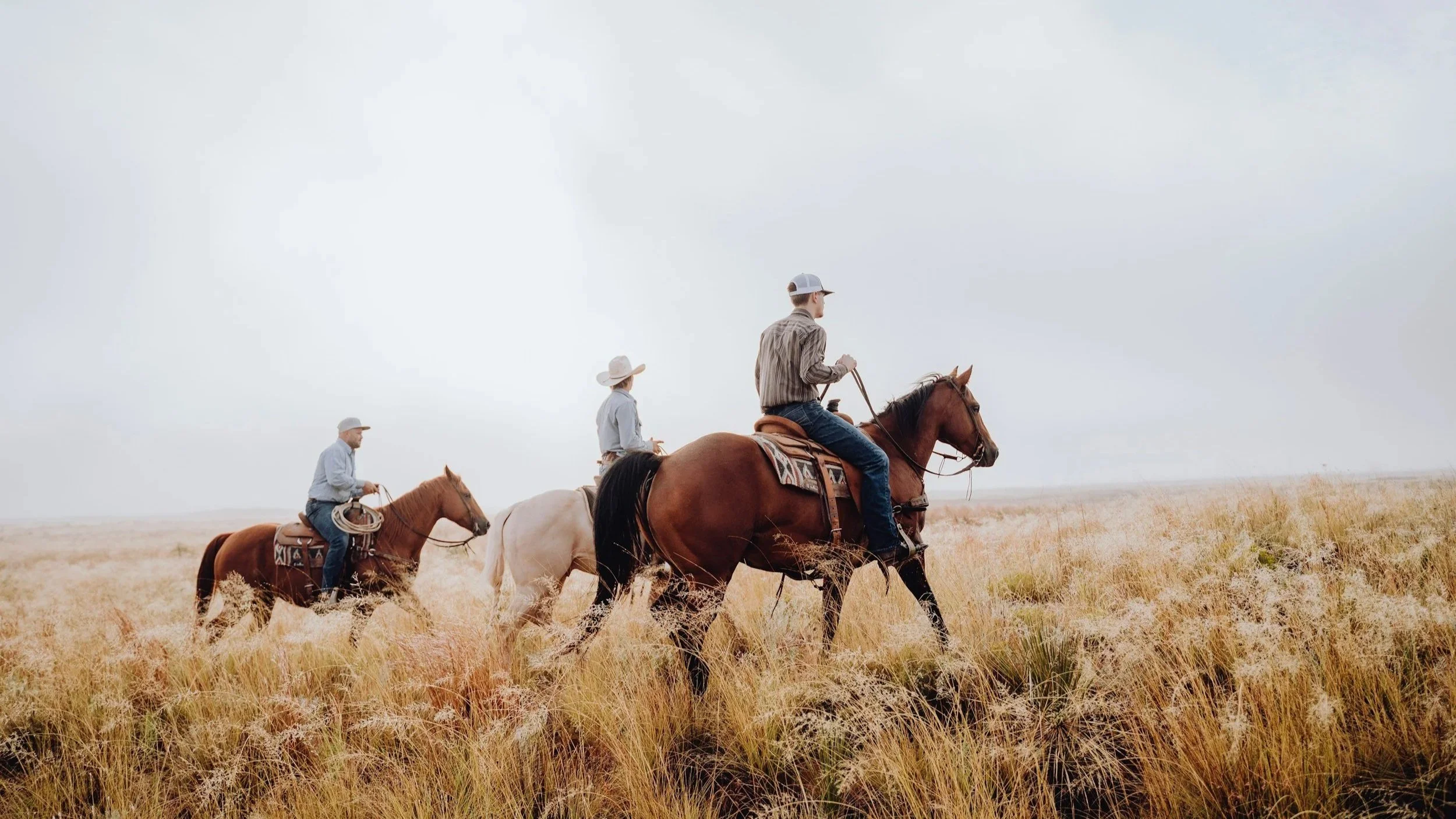
Beginning farms and ranches make up 22% of operations in the U.S., down from 38% in the 1980s. In that same stretch, beginning operations dropped to just 6% of total farm and ranch land. Meanwhile, established operations are far more likely to have inherited or purchased their land from a relative.
Read those numbers together and the picture is plain. Fewer people are getting in, and the ones who do are working with less ground. That's not a story about work ethic or grit. It’s about access, which has been narrowing for decades.
Not inheriting land isn't a character flaw. It's just math. Land prices have been outrunning what ranching itself can pay back for decades, and the operations that get handed down are often the only entry point anyone talks about. If nobody hands you the keys, it's easy to start believing there's no door at all.
But there’s a window. It's just not the one that gets talked about.
Ownership Comes Last, Not First
Every first-generation operation I’ve helped structure got there the same way, access before ownership. A lease, a share arrangement, a job that put them on land they didn’t own but could learn on and eventually negotiate from.
If you’re starting from zero, your first goal isn’t a deed, it’s a foothold. That might look like a…
Grazing Lease
Custom Grazing Contract
Herd-share agreement with a landowner who has ground but not enough labor or livestock knowledge to run it well.
These arrangements build what you can’t buy outright, a track record and relationships with people who might sell or partner with you down the road.
Equity Doesn’t Only Mean Dirt
We talk about equity like it only means land, but it doesn’t. Equity is any real claim of value you’re builiding and there’s more than one form of it.
Livestock Equity: You can own cattle on someone else's grass. A lot of aging operations are land-rich and cattle-poor. A well-structured share lease lets you build a herd while their ground stays productive.
Sweat Equity (made contractual): Working for an aging rancher in exchange for future purchase rights or a path into the operation can't stay a handshake. I've watched good relationships turn into bad memories because nobody wrote down what "someday this will be yours" actually meant.
Entity Equity: You don't need to own the land to own a real stake in the business running on it. An LLC or partnership structure can phase you into ownership of the cattle, equipment, and operation over years.
Off-Ranch Capital: Plenty of first-generation ranchers keep a job in town longer than they'd like, specifically to fund the operation until it can stand on its own. That's not a failure! That's how a lot of multi-generational outfits got their start too, just no one really talks about that part.
Tools Built to Help You
There are real tools designed for people entering without inheritance.
FSA beginning farmer and rancher loans, Native CDFIs (Community Development Financial Institutions owned or controlled by Native communities, built to bring capital to producers mainstream banks have historically overlooked), and other ag-focused lenders that offer lower down payments and build loan products around the operation itself, not just collateral.
Contracts and business structures, like written lease agreements, share arrangements, and entity formations like partnerships, that turn a verbal understanding into something you can actually build equity in and defend if the relationship changes.
Land trust and conservation easement programs that in some states lower costs for beginning producers in exchange for keeping ground in agriculture long-term.
Incubator and mentorship programs through groups (ex. Quivira Coalition, Women in Ranching, sharing leases), pairing new producers with land, mentors, and sometimes shared equipment.
None of these hand you a ranch. All of them shorten the distance between where you are and owning something real.
Paperwork Does What Family Trust Would Otherwise Do
If you inherit family land, an imperfect legal structure is often survivable. Relationship and history absorb the mistakes. When you're building with a landowner, a lender, or a partner who isn't family, the agreement has to carry that weight instead.
That means clear lease terms. Clear buy-in and buyout provisions in any partnership. Clear documentation of what's yours, whether that's cattle, equipment, or improvements you made on someone else's ground, if the arrangement ends. I've seen people lose years of work because nothing was written down. I've seen others build a real ownership stake because it was.
This Is Still a Legacy
Here's what I want every first-generation rancher to hear: what you're building is still a legacy, even if it started with a lease instead of a deed. Legacy was never about how the ground came to you. It's about what you build on it and what you're able to pass on from here.
The families who've been on their land for four generations had a first generation too. Someone signed a first lease, took on a loan nobody wanted to give them, or worked someone else's cattle for years before they had a herd of their own. That's not a lesser story. It's the same story everyone's grandparents lived, just happening in your lifetime instead of theirs.
